Information gap Business
What I learned about information gaps in business, using Skintific as an example.
Information Gap Markets: How Knowledge Lags Create Business Opportunities
Information gap markets exist where trends, costs, formulas, operating methods, or demand signals move more slowly than in leading markets. Operators who already know the cheaper factory, the proven ingredient combination, the live-commerce script that converts, or the real local pain point can capture value before the rest of the market catches up. The edge is temporary. Social platforms and competitors close most gaps within months or a couple of years.
The concept appears across physical retail, manufacturing, services, and digital channels. The clearest recent illustration is Chinese teams treating Southeast Asia (especially Indonesia) as a place to “play the information gap” with beauty products.
The Skintific Case
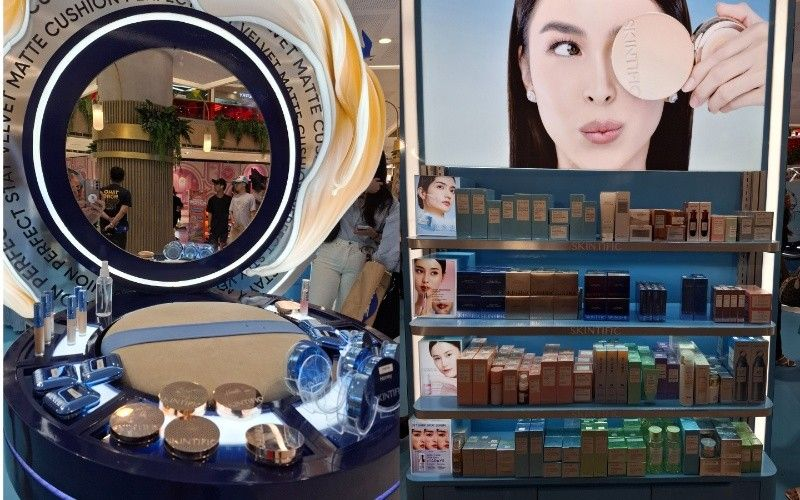
A Guangzhou-linked company (Feimei Network Technology and related manufacturers) launched Skintific in Indonesia in 2021. Public records and BPOM data point to Chinese manufacturing. The brand used “Formulated in Canada” style claims and Western/local-sounding positioning so many early buyers treated it as foreign or local rather than Chinese-made. Packaging carried “Made in the PRC” in small print.
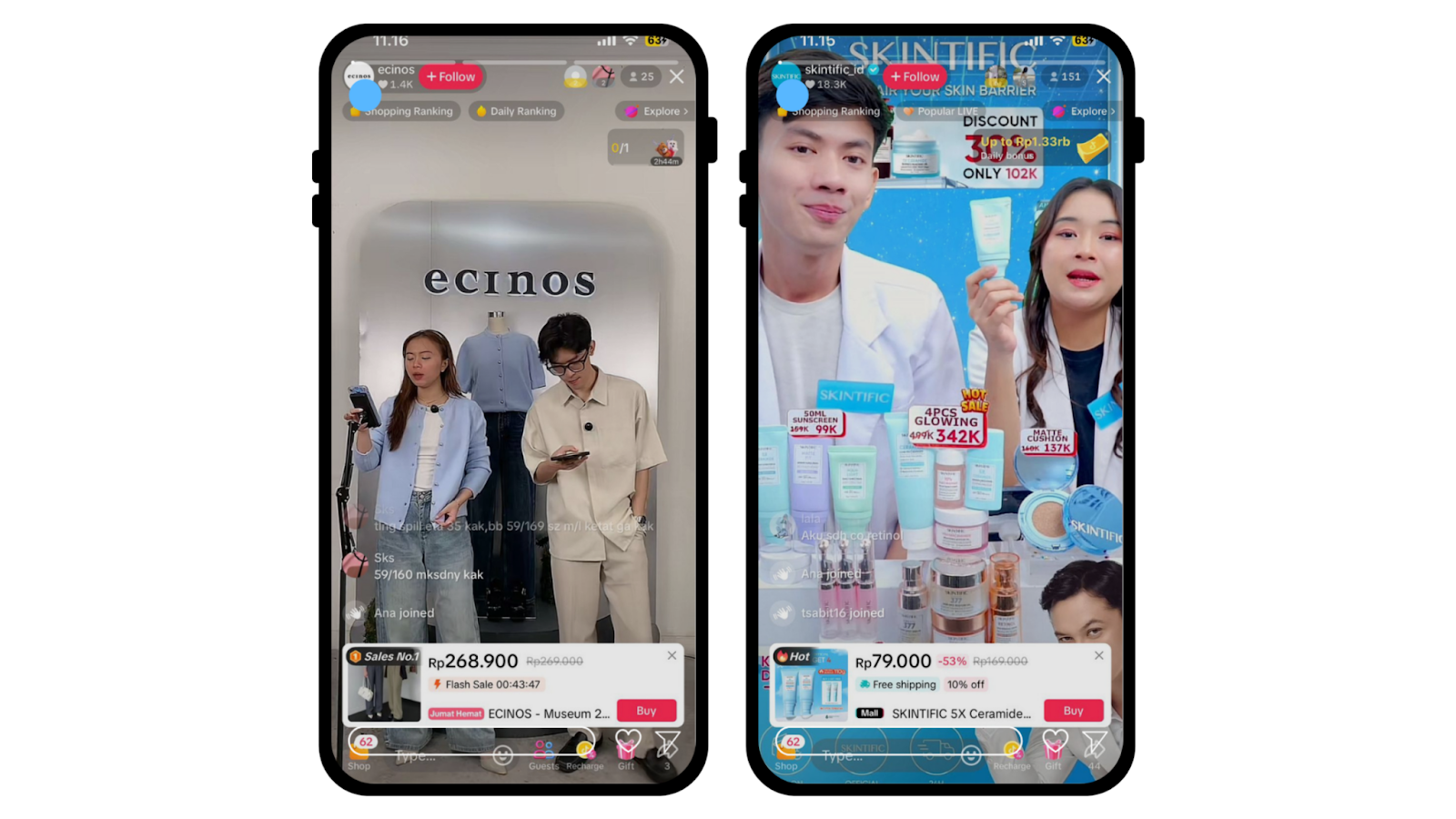
They pushed ingredients and formats already trending in China and Korea (ceramides, barrier repair, niacinamide) at roughly 2x local pricing. Execution was intense from day one: multiple specialized agencies covering different TikTok levers (creators, video, live), one account per hero product, daily high-volume live streams, and Meta ads routing to WhatsApp for “secret” discounts. Early daily ad spend reached the equivalent of roughly $280k in some periods while building the account ecosystem. Indonesia store sales were tracked around $89M in various reports; cumulative SEA figures cited by TMO Group exceeded RMB 800 million (about $114M) within roughly two years. It topped TikTok Shop charts in Indonesia and Malaysia and ranked among top skincare sellers on Shopee/Lazada.
673
The original observation that circulated widely on X came from a post by @DTC_Quizbuilder describing exactly this playbook and the “information gap” framing used by the operators.
Related Indonesian commentary on X frequently noted the identity shift (Canadian claims then local framing) once the China manufacturing link became known.
Broader Business Examples
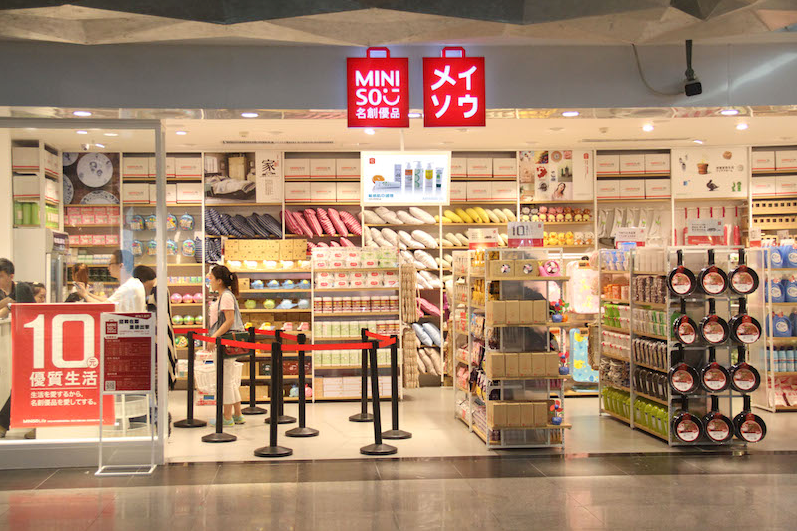
Physical retail used similar positioning. Miniso, founded in Guangzhou in 2013, spent years with Japanese-inspired logos, store design, and aesthetics. Shoppers in Asia and elsewhere often assumed it was Japanese. The company later clarified its Chinese ownership after backlash, by which point it had already scaled to thousands of stores.
Manufacturing and trading businesses run the same logic with less branding theater. Operators with direct factory access buy proven products at source prices and sell them under new labels or to local distributors who lack the same supplier relationships. Logistics firms that understand prepositioning and lower-cost routing capture the fulfillment side of the gap.
Service businesses sell the process knowledge itself. Teams experienced in high-volume live selling, multi-account content systems, or rapid creative testing package those methods as agency retainers or training for operators in lagging markets. Education products (reports, courses, paid communities) simply document the gap and sell the map.
Digital Business Models
Digital channels make the gap easier to detect and faster to exploit (and also faster to close). Marketplace data, short-form video, and live commerce let small teams test and scale without traditional retail distribution.
The most direct model is still a focused brand: scan leading markets for ingredients or formats that already sell, private-label or OEM them, launch under a name and creative style that feels relevant or premium in the target market, then concentrate spend on one or two hero products with dense short-form content and live sessions. SEA beauty brands that used East Asian trends plus heavy TikTok Shop activity are the clearest recent cases. Similar patterns appear in other categories once someone maps the lag.
Agencies and tools sit one layer above the brands. They sell the operating system: live-stream scripts and pacing adapted to local languages, multi-account structures, creative testing frameworks, or dashboards that surface rising categories on Shopee, TikTok Shop, or Lazada before they peak. Some charge retainers; others sell software or templates.
Content and education products monetize the information directly. Creators who document what is working in one market and translate it for another sell newsletters, communities, or short courses. Marketplace data tools that track category velocity across countries fit the same category. Pure information products face the problem that the knowledge spreads quickly once published, so the more durable versions stay close to execution help.
Platforms themselves widen or narrow the gap. Cross-border shops, official logistics programs, and affiliate systems lower the cost of testing a new market, but they favor operators who already understand creative testing velocity and fulfillment rules. Sellers who treat platform ranking signals as the main product knowledge often move faster than those still focused on traditional ads or offline channels.
Practical Notes and Limits
Gaps close. Once enough local players copy the method or the trend becomes common knowledge, margins compress. Businesses that last usually add real operational advantages (local warehousing, better quality control, regulatory compliance, or retention systems) rather than relying only on temporary ignorance. Origin claims and aggressive live tactics also attract scrutiny once sales become visible.
Key Sources
- TMO Group Skintific case study: https://www.tmogroup.asia/insights/skintific-case/
- AsiaCommerce on Skintific origin and Indonesia playbook: https://asiacommerce.net/blog/skintific-brand-origin-indonesia/
- Nikkei Asia on Chinese beauty brands in Indonesia: https://asia.nikkei.com/business/consumer/indonesia-beauty-brands-struggle-in-battle-with-chinese-rivals
- Original X post by @DTC_Quizbuilder (Nov 2026): https://x.com/DTC_Quizbuilder/status/2122619863315169474
- TMO Group broader SEA beauty reports (search “TMO Group SEA beauty” or visit tmogroup.asia/insights)
- Official TikTok Shop SEA seller resources: https://seller.tiktokshopglobalselling.com/university